
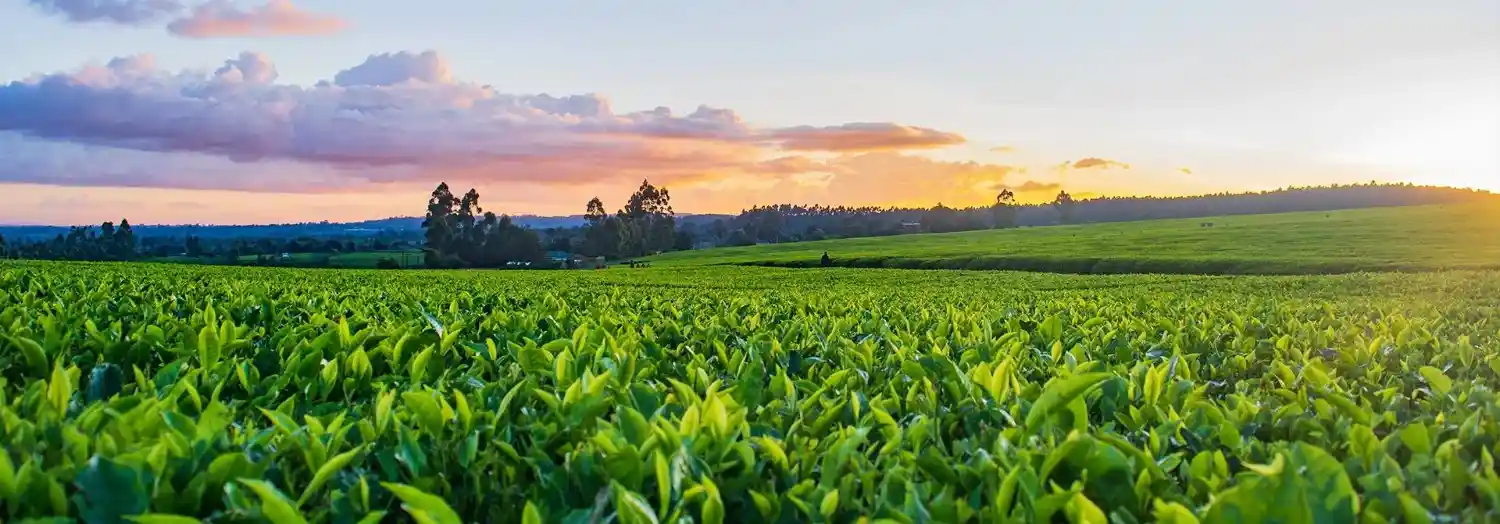
The Role of Climate in Producing Export-Grade Pomegranates

India has long been recognized as one of the world’s leading producers and exporters of high-quality pomegranates, known for their vibrant red color, sweet-tart flavor, and long shelf life. Among the many factors that determine fruit quality, climate plays a crucial role — influencing everything from sweetness and juiciness to skin texture and shelf stability. Exporters like Sundar Bharat Exim rely on a deep understanding of climate dynamics to ensure their pomegranates meet the exacting standards of international markets.
In this blog, we’ll explore how temperature, rainfall, sunlight, and soil-climate balance directly impact pomegranate production, and why India’s diverse climatic zones give it a competitive edge in producing export-grade fruits.
Understanding Pomegranate Cultivation
Pomegranates (Punica granatum) thrive in semi-arid to subtropical climates, where hot days and cool nights help develop their signature flavor and color. The fruit’s growth and development are highly sensitive to temperature, humidity, and rainfall patterns, which is why the right climatic conditions are essential for producing premium-quality export fruits.
Ideal Climate Conditions for Pomegranates
-
Temperature: 25°C to 35°C during the day and 15°C to 20°C at night.
-
Rainfall: 500–800 mm annually, with dry weather during flowering and fruiting stages.
-
Sunlight: At least 6–8 hours of direct sunlight daily for optimal photosynthesis.
-
Soil: Well-drained loamy soil with moderate moisture retention capacity.
Regions in India such as Maharashtra, Gujarat, Karnataka, and Andhra Pradesh offer these precise conditions, which is why they are the country’s primary pomegranate-growing zones.
The Connection Between Climate and Fruit Quality
1. Temperature and Fruit Sweetness
Temperature is one of the most important climate factors influencing sugar accumulation in pomegranates. Warm temperatures promote active photosynthesis, enabling plants to convert more sunlight into sugars, resulting in naturally sweet arils.
However, extreme heat (above 40°C) can cause sunburn, reduced aril size, and cracking, while low temperatures can slow down sugar formation. The regions of Maharashtra and Karnataka maintain an ideal temperature range during the growing season, which helps produce pomegranates with balanced sweetness and acidity, making them perfect for export.
2. Rainfall and Fruit Texture
Rainfall plays a delicate role in pomegranate farming. While adequate moisture is needed during the early growth stages, excess rainfall during fruiting can lead to splitting, fungal diseases, and color fading.
To counter this, Indian farmers use drip irrigation systems, providing controlled moisture levels that simulate ideal rainfall conditions without oversaturating the soil. The result is uniformly textured fruits with firm skin and juicy arils — qualities that international buyers demand.
3. Sunlight and Color Development
The rich ruby-red color of Indian pomegranates, especially the Bhagwa variety, is largely attributed to abundant sunlight exposure. Sunlight enhances the production of anthocyanins, natural pigments that give pomegranates their bright red arils and attractive skin tone.
Regions with longer sunshine hours during the ripening phase consistently produce fruits with superior color and visual appeal, increasing their export value.
4. Humidity and Shelf Life
Humidity directly affects post-harvest quality and shelf life. Excess humidity can cause fungal infections and early spoilage, while overly dry conditions can dehydrate the fruit. Ideal humidity levels (40–60%) during fruit maturation and storage ensure the fruit remains fresh, glossy, and long-lasting during export transit.
India’s semi-arid belts naturally provide this balance, minimizing the need for artificial interventions.
Regional Climate Advantages in India
Maharashtra: The Sweetness Hub
Maharashtra’s hot days and cool nights, coupled with well-drained soil, make it the leading pomegranate-producing state in India. The region’s dry climate during flowering ensures fewer diseases and more concentrated sugars, producing sweet, export-quality fruits.
Gujarat: The Color Advantage
Gujarat’s moderate temperatures and consistent sunlight promote vibrant red pigmentation and thicker skin, which helps protect the fruits during shipping. This makes Gujarat-grown pomegranates ideal for long-distance export to the Middle East and Europe.
Karnataka and Andhra Pradesh: Year-Round Production
These southern states benefit from bimodal rainfall patterns, allowing for multiple harvests in a year. Controlled irrigation and moderate humidity enable consistent production of medium-sized, brightly colored fruits with excellent flavor balance.
The Science Behind Climate and Fruit Chemistry
Pomegranates develop their unique sweetness and flavor balance through a combination of sugar accumulation, acid concentration, and pigment synthesis — all of which are influenced by climate.
Sugar Formation
-
High sunlight exposure boosts photosynthesis, converting carbon dioxide into glucose and fructose.
-
These sugars accumulate in the arils, enhancing the sweetness level, which is measured by Brix value. Export-grade pomegranates typically have a Brix level of 16–18°, indicating optimal sweetness.
Acid Balance
-
Mild night temperatures prevent excessive sugar loss and retain organic acids like citric and malic acid.
-
This creates the signature sweet-tart flavor preferred by consumers in international markets.
Pigment and Antioxidant Development
-
Sunlight and mild stress conditions increase anthocyanin production, enhancing both color and nutritional value.
-
These compounds not only improve visual appeal but also add to the health benefits that make pomegranates a “superfruit.”
How Farmers Adapt to Changing Climate
Climate change poses challenges like unpredictable rainfall and temperature fluctuations. However, Indian farmers and exporters like Sundar Bharat Exim have adapted through innovative agricultural techniques that ensure consistent fruit quality.
1. Drip Irrigation and Fertigation
Controlled irrigation prevents overwatering and ensures the right amount of moisture reaches the root zone. Fertilizers are added through the irrigation system to improve fruit sweetness and size.
2. Use of Shade Nets
In areas with excessive heat, shade nets protect the fruits from direct sunburn, maintaining color and texture.
3. Microclimate Management
Some farms use windbreaks and mulching to regulate soil temperature and prevent moisture loss. This helps maintain steady sugar accumulation during fruit development.
4. Precision Farming Techniques
Technologies like soil moisture sensors, weather monitoring systems, and drone-based surveys allow farmers to track environmental conditions and make timely interventions. This level of control ensures that even during climate irregularities, export-grade quality is maintained.
Impact of Climate on Post-Harvest Quality
Even after harvesting, climate control remains essential. High temperatures and humidity during storage or transport can deteriorate fruit quality.
Optimal Storage Conditions
-
Temperature: 5–8°C
-
Relative Humidity: 90–95%
-
Air Circulation: Ensures uniform cooling and prevents condensation
Sundar Bharat Exim maintains these standards through cold chain logistics, ensuring that the natural sweetness and color of pomegranates remain intact until they reach global markets.
Climate and Market Preference
Different international markets have distinct preferences for pomegranate characteristics, many of which are directly linked to climate effects.
-
Middle Eastern Markets: Prefer large, dark-red fruits with intense sweetness — typical of Maharashtra’s dry climate.
-
European Markets: Favor medium-sized fruits with balanced sweetness and tartness — often sourced from Gujarat and Karnataka.
-
Asian Markets: Value bright color, moderate sweetness, and longer shelf life — achieved through controlled climate farming practices.
This alignment of regional climate strengths with market demand has helped India dominate the global pomegranate export sector.
Sundar Bharat Exim: Combining Climate Expertise with Quality Assurance
As one of India’s trusted exporters of fresh fruits, Sundar Bharat Exim understands the vital link between climate, cultivation, and export quality. The company collaborates with farmers from climate-optimized regions to source the best pomegranates.
Their Quality Commitment Includes:
-
Partnering with certified farms in ideal climatic zones.
-
Conducting Brix and residue tests for each export batch.
-
Using climate-controlled packaging and transport to preserve freshness.
-
Ensuring compliance with APEDA, FSSAI, and Global GAP standards.
This comprehensive approach ensures that each shipment delivers premium, export-grade pomegranates that meet global expectations.
Conclusion
The role of climate in producing export-grade pomegranates cannot be overstated. From the right balance of temperature and rainfall to ample sunlight and controlled humidity, every element shapes the fruit’s sweetness, color, and shelf life. India’s unique agro-climatic diversity allows it to produce pomegranates that consistently meet the highest international standards.
Through a combination of natural advantages and scientific cultivation, exporters like Sundar Bharat Exim continue to deliver the best of India’s pomegranates to global markets — fruits that not only look stunning but taste exceptional.


